Emergencies in work environments rarely unravel as neat situations. Smoke finds the incorrect corridor, alarm systems decline to work together, site visitors do not comprehend directions, and somebody constantly wants to order their laptop computer. If you are entering a fire warden or emergency warden function, or you are about to begin the PUAFER005 course, this overview sets out what good appear like when you operate as part of an emergency control organisation, and what individuals rarely state in course yet issues when the hallway has lots of individuals and someone is weeping in the stairwell.
I have educated wardens in offices, hospitals, retail facilities, colleges, and plants. I have actually watched drills most likely to prepare and I have actually seen tranquility, capable team freeze in the initial thirty secs of an actual fire. The difference is never ever luck. It is prep work, easy routines done well, and self-confidence in the ECO structure.
What PUAFER005 in fact prepares you to do
PUAFER005 Run as component of an emergency situation control organisation is the system that turns eager team into operating wardens. The training course develops practical skill in carrying out directions from the chief warden, relocating individuals to security, taking care of small events, using communication systems, and coordinating with emergency solutions. If you finish a warden course mapped to PUAFER005, you ought to walk back into your workplace able to do 4 things accurately: identify an emergency situation, take your location in the ECO, overview others without creating new risks, and turn over exact details to initial responders.
The training concentrates on sensible office emergency situations. Fire is the apparent one, but ECOs also react to clinical circumstances, bomb risks, unsafe spills, loss of power, and extreme weather. A strong program reveals you greater than alarm system tones and exit paths. It drills you on neighborhood risks and tools, how your website deals with individuals with disabilities, and the choreography between location wardens, flooring wardens, and the principal warden.
Most students would like to know what the analysis resembles. Anticipate scenario-based exercises. You will certainly practice raising an alarm, operating walkie-talkies or intercoms, sweeping designated zones, aiding discharge, and reporting to the Emergency Control Factor. Verbal questioning and short composed jobs generally check your understanding of procedures, setting up areas, and the hierarchy. Fitness instructors should ask you to demonstrate judgment, not just state steps.
ECO duties and the genuine work behind the titles
The emergency situation control organisation is a warden course framework, not a badge. In a little office, the ECO might be 5 people who all have day tasks. In a healthcare facility, you may have a full roster across lots of shifts. The roles are consistent throughout sites.
- Chief warden: overall control of the event action within the website. Routes wardens, liaises with emergency situation services, selects discharge strategy, and takes care of the Emergency situation Control Point. Deputy chief warden: backs up the chief warden and may take duty for details areas or tasks. Communications policeman: handles the warden intercom or radio website traffic and keeps the occurrence log. Floor or area wardens: manage an area, sweep the area, take care of activity of occupants, and report green light or problems. Wardens: function as marshals and overviews. They are the human interface between treatment and people.
In technique, these duties bend. In a retail centre, location wardens need a firm take care of on renter communications. In a school, the communications policeman need to be fierce about details discipline so the radio webs do not block. In a laboratory center, wardens must understand which rooms need unique shutdown actions and who holds the keys.
You will see different hat or helmet colours to recognize roles. Conventions differ by organisation, however you will frequently find the chief warden hat in white and wardens in red, with interactions or first aid functions occasionally using yellow or green. If you are asked what colour helmet a chief warden wears, a lot of systems make use of white for the chief warden hat. What issues extra is that your website has a consistent, visible system and enhances it in drills, due to the fact that individuals seek colour cues when they are stressed.
Fire warden training demands and just how to fulfill them
The most safe offices treat warden training as professional advancement, not a box to tick. For PUAFER005, you need to cover:
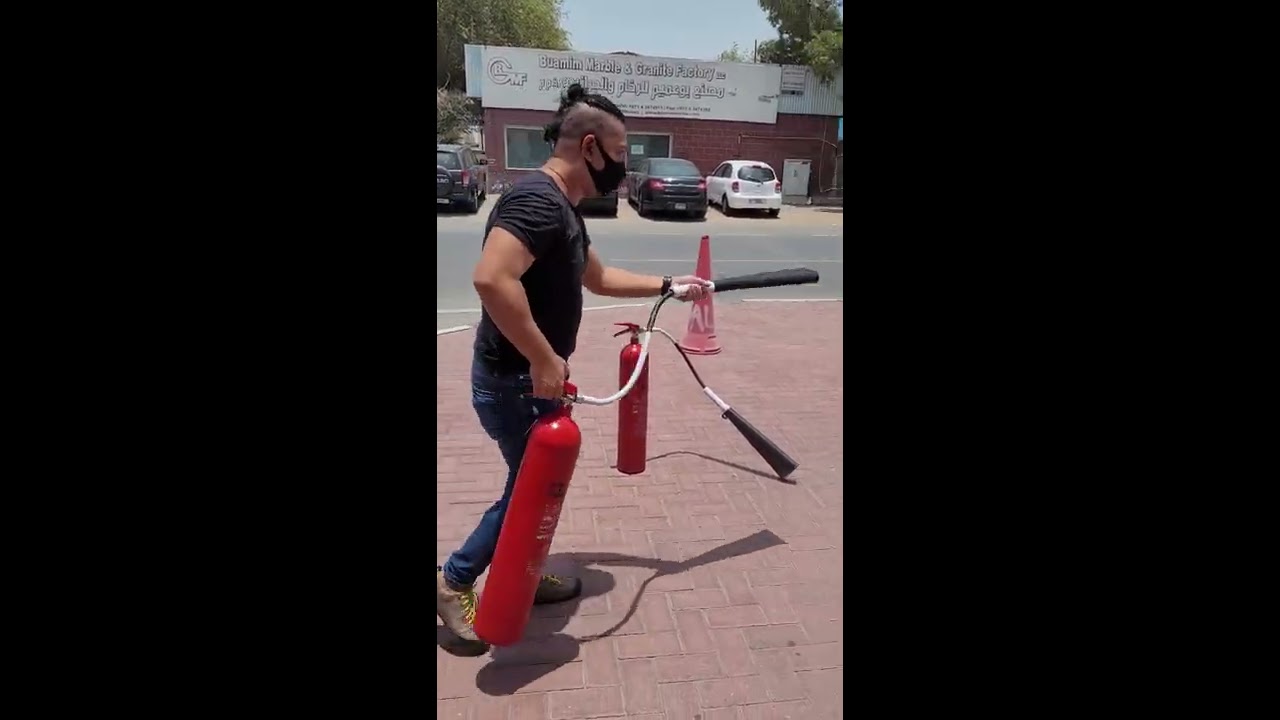
- Site-specific emergency situation treatments, consisting of discharge layouts, alarm system tones, and setting up areas. ECO functions and responsibilities. Using communication tools, especially radios, public address systems, and manual call points. Evacuation techniques for individuals that need support, consisting of movement help, refuge points, and emptying chairs if your site has them. Practical usage and constraints of fire equipment. For wardens, this normally means fire extinguishers and fire blankets, made use of only when safe to do so.
Many regulatory authorities and insurance providers suggest first training adhered to by refresher sessions every 6 to twelve month. Yearly drills are a minimum. Facility centers usually run targeted workouts quarterly, rotating situations so wardens obtain method in various problems. Generally of thumb, brand-new wardens need to trail a knowledgeable warden during the initial two drills. You discover more from real-time movement than from slides.
If you are in a management stream, the related unit PUAFER006 Lead an emergency control organisation is the next step. The PUAFER006 course concentrates on command, choice making under pressure, and control with outside firms. Chief warden training, occasionally marketed as a chief fire warden course, covers incident action preparation, partial versus complete emptyings, shelter in place decisions, and progressed interactions. Individuals typically inquire about the chief warden responsibilities. Past directing wardens and purchasing evacuations, the chief warden is in charge of preparedness: keeping warden numbers adequate throughout changes, making certain devices comes, and ensuring post-incident evaluations turn into improvements. The chief fire warden duties look straightforward on paper and tough in method due to the fact that they need tranquil judgment, specifically when information is incomplete.
The hat colours argument and why it is not the major point
Trainees delight in the question: what colour helmet does a chief warden wear? As noted, white prevails for a chief warden hat colour, red for wardens, and yellow for communications, though practices vary by site and country. Some workplaces utilize caps or vests instead of safety helmets, especially in offices where safety helmets might intimidate visitors. Choose a system, standardise puafer006 emergency management it, and train with it. If you have a ceremony of service providers or site visitors, publish a basic sign in public locations showing the colour codes so individuals recognize who to comply with during an evacuation.
If your site makes use of helmets, store them where wardens can reach them within seconds and identify them with names and duties. A chief fire warden hat colour not does anything for you if it is locked in a cupboard two floors away.
How the most effective ECOs run their initial minute
The initial min is the acid test. The alarm appears, your heart price dives, and the structure attracts a breath before people move. As a warden, you run a psychological script. It ought to be short adequate to keep in mind, and solid sufficient to bring you via noise and confusion.
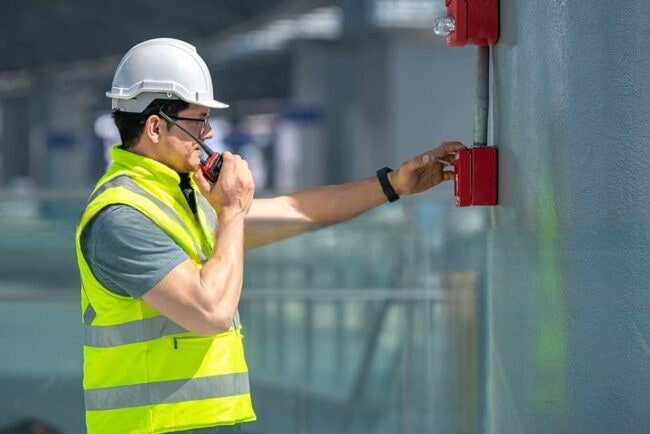
Here is a compact first-minute list that fits most websites:
- Acknowledge the alarm system and verify your duty. Place on your warden identification. Check the panel or notification to determine the alarm place, if available. Call the chief warden or interactions policeman on the designated network. State your name, location, and status. Move to your area. Begin a quick sweep from one of the most at-risk part of your zone. Give clear, loud, straightforward guidelines. Straight activity toward the local safe exit.
Notice what is out that listing. You are not dealing with the fire unless it is secure, tiny, and you have a prompt course of retreat. You are not collecting personal items or securing doors. You are not improvisating new routes unless your designated leaves are compromised. Speed matters, however clearness and calm tone matter a lot more. People mirror your behaviour.
Communication that works under stress
Radio technique is the distinction in between a smooth discharge and a muddle of cross talk. In training, method short, basic expressions. The interactions officer must keep a straightforward log, capture times, and keep in mind green light, obstructions, and individuals unaccounted for. Stay clear of conversation on the radio. Report facts and requests.
I educate wardens to use their voice like a metronome. Brief sentences, consistent rate, and repeat core guidelines every 15 to 30 seconds as you move. In a shopping centre drill in 2015, one new warden tried to explain the entire discharge rationale to customers. Others took his hint and quit moving to pay attention. We debriefed and changed him to three-beat phrases: Follow me currently, utilize this leave, leave personal belongings. The 2nd run relocated two times as fast.
If your workplace deals with multiple languages, area bilingual team tactically and prepare published sign cards with the core instructions. Maintain them clipped to the warden's lanyard. It is a little repair that makes a huge difference.
Assisting people who require additional help
Fire warden requirements in the office include planning for people that need assistance. This team includes mobility device users, people with short-term injuries, expectant employees late in term, site visitors not familiar with the building, and any individual experiencing stress and anxiety or complication throughout the alarm. Do not rely upon brave improvisation. Build a routine.
If your building assigns haven factors, wardens should recognize their specific location and just how to communicate the condition of individuals waiting there to the chief warden. If you have emptying chairs, train on them with actual people and practice in full stairwells, not vacant ones. Settle on friend systems for staff with recognized requirements, and test them throughout drills. The point is not speed up whatsoever expenses, it is secure activity that does not trigger cascades of threat on stairwells.
One lesson from a clinical centre drill: do not undervalue the number of people will try to assist simultaneously. Way too many hands block a staircase. Choose two assistants for a chair and appoint one warden to handle the stairwell flow around them. Every person else maintains moving.
Fire equipment: capacities and limits
The warden course normally consists of familiarisation with fire extinguishers and coverings. The rule is stringent, and it keeps wardens risk-free. Use extinguishers just if the fire is little, you have a clear, instant exit behind you, and you are trained and certain. Never ever turn your back on a fire, never effort to eliminate via smoke-filled passages, and never assume a solitary extinguisher will suffice. Dry powder systems develop presence issues indoors. Foam and CO2 each have restrictions. In a workplace, most successful uses get on little home appliance fires or bin fires in their earliest seconds.
Wardens occasionally really feel stress to "do something" significant. Your task is to get individuals moving and to transmit accurate info. A correct report is usually your best contribution. A chief warden deciding based upon your eyes-on facts can conserve mins, and minutes matter.
Drills done well
A drill that seems like theatre does little for proficiency. A drill that reveals friction factors drives enhancement. If you remain in a setting to affect your emergency warden training, push for variety. Run a partial emptying of one floor. Mimic an obstructed departure. Include a circumstance where the alarm is a manual activation in a remote area. Differ the moment of day so you check lunch rush conditions and the slim staffing of very early mornings.
Record actual movement times from alarm to assembly location roll phone call. Do not presume. 2 minutes shaved from the 2nd drill earns trust. Publish the results inside and pair them with monitorings, not condemn. I like to end with one sensible enhancement per area, such as relocating a secret box, relocating an indication, or transforming a door stopper policy.
If you are planning for chief warden training or the PUAFER006 lead an emergency control organisation unit, run a table-top exercise with your wardens. Sit around a strategy of the website, walk through a scenario min by minute, and exercise the radio traffic, decisions, and handovers. Table-tops disclose gaps without the cost of a full drill.
Visitors, service providers, and the edge cases that snag you
The days that catch people out are not the average office days. They are the times when a movie team has stacked instances in a corridor, or the board has a loads guests who do not speak English well, or the loading dock has a semi turning around while an alarm system turns on. Integrate contractors and site visitors into your emergency warden course by including at the very least one scenario where you have to clear a room you do not usually handle.
Make site visitor induction cards work harder. A straightforward line that reads: If the alarm appears, adhere to staff with red warden hats to the local leave, can pay off. If you have retail renters or third-party drivers on site, provide a small warden overview and settle on radio networks in advance. Fragmented duty reduces emptyings greater than any kind of various other element I see beyond clinical evacuations.

Legal and useful expectations
Fire warden demands differ by jurisdiction, but a number of criteria are widely acknowledged. Offices should have discharge layouts, preserved fire safety and security devices, and team trained in emergency situation procedures. The majority of regulatory authorities anticipate adequate wardens to cover all locations during all changes, including leave and after-hours operations. Larger, risky websites typically have official emergency situation planning files and have to preserve records of drills and training. Insurance audits will certainly ask for these. If you take care of a website, allocate refresher course training and do not let warden numbers dwindle.
The fire warden training requirements you approve at induction must match your actual risk. An office with 200 individuals on three floorings has a different profile from a storehouse with forklifts and lithium-ion storage. Good carriers tailor the PUAFER005 course to your hazards. Ask for that. If a provider assures a common slide deck, keep looking.
How PUAFER005 and PUAFER006 job together
Students typically ask whether they ought to complete both systems. If you are a general warden, PUAFER005 is the right beginning factor, and for lots of it is sufficient. If you are likely to act as chief warden or deputy, the PUAFER006 course enhances your capacity to command, especially when details is sporadic. It covers circumstance preparation, the technicians of partial discharges, shelter in position choices, integration with very first responders, and post-incident testimonial. I have actually enjoyed certain supervisors find, throughout PUAFER006 workouts, just how difficult it is to keep a clean functional picture without a self-displined comms officer. That insight alone lifts the performance of the whole ECO.
Chief fire warden training need to also cover exactly how to maintain preparedness between incidents: warden lineups, devices checks, induction of new team, and the sluggish, unglamorous work of keeping treatments existing as the workplace modifications. Chief warden requirements in numerous organisations include presenting quarterly readiness records to monitoring. If you are in that seat, embrace a basic metric set: warden insurance coverage percent by shift, ordinary evacuation time by area, number of exceptional corrective activities, and last refresher training day by warden. Numbers create accountability and sustain your ask for resources.
What good management looks like on the day
Leadership in an occurrence has a specific texture. It is silent, clear, and decisive. The chief emergency warden needs to establish the tone within secs. Develop the Emergency Control Factor, examination communications, designate jobs, and prevent the twin traps of overcontrol and laziness. Overcontrol seems like micromanaging every passage over the radio, which blocks channels and slows wardens. Passivity feels like waiting for even more details while the scenario wears away. The very best chief wardens make a series of small, correct choices promptly, change as reports can be found in, and always maintain a book focus for the next two minutes.
I remember a warehouse fire where the chief warden, a tranquil lady with ten years in logistics, made three excellent call under a minute: stopped forklift operations, purchased a partial evacuation upwind, and dispatched a warden to verify the alarm system zone with eyes on. Those steps avoided traffic in the smoky aisle, kept fresh air paths clear, and avoided a full site evacuation that would certainly have developed unnecessary threat on the street. Fire crews later on discussed the orderly handover. That is the basic to intend for.
Preparing on your own to be the warden others follow
There is no shortcut to confidence, however there is a course. Walk your location with the eyes of a stranger. Where would certainly you try to find an indication? Which door deals with stick? Which passage clutters by 3 p.m.? Talk with associates that might need help and settle on easy plans. Time your walk to the setting up area. Note the traffic jams. Inspect your radio battery when a week. If your website utilizes a chief warden hat or warden caps, recognize where they are and ensure they are not hidden under boxes. Little behaviors become big advantages.
During drills, watch individuals, not just the clock. Who is reluctant at the stairwell? That intends to say? Stand near to choice factors and lend your voice there. If you lug a small notepad, write 2 rubbings you observe. Take them to the debrief. Fix one before the following drill. That constant improvement arc develops your capability quicker than any type of lecture.
Choosing a training carrier that values your time
A solid provider will certainly inquire about your website prior to quoting a warden course. They will ask for floor plans, tenancy numbers, unique threats, and recent drill outcomes. Throughout the PUAFER005 course distribution, they will certainly incorporate your layouts, not generic ones. Assessment will utilize your courses and tools. If you are considering a chief warden course or the PUAFER006 system, ask for scenario realism. You desire workouts that press decision-making, not simply recounting. Companies that recognize offices expect to run sessions at shift-friendly times and can provide brief refresher modules that maintain abilities fresh.
After the incident: the peaceful job that increases your effort
Once everyone is secure and accounted for, the temptation is to submit the report and carry on. Do not miss the window for a fast, straightforward testimonial. Gather wardens at the setting up area or a close-by area for 10 minutes. What functioned, what dragged, what puzzled people, what did we learn? Keep it crisp and concentrated on activities. If a door was locked or a sign was unclear, repair it within a week. If radios snapped on a particular network, test and replace. If a specific flooring struggled, run a concentrated drill with them. The chief fire warden responsibilities include transforming lessons right into renovations. Many small, quick modifications make you safer than a grand strategy that waits on budget.
The takeaway for new and aspiring wardens
Operating as part of an ECO is not concerning heroics. It has to do with being the calm person that moves people out of harm's method and hands over a clear photo to those with sirens and hoses. The PUAFER005 course offers you the foundation. Genuine proficiency originates from knowing your site, drilling with function, and developing the routines that hold under stress. If you enter chief warden training or the PUAFER006 lead an emergency control organisation path, you include the layer of direction that maintains the entire system coherent.
When the alarm following noises, your colleagues will certainly try to find a sign. Make certain it is you, visible, recognizable, and relocating with intent. Speak in short, solid phrases. Keep the exits clear. Count your individuals. Report what you see. That is what operating as part of an emergency control organisation looks like in reality. And it is enough.
Take your leadership in workplace safety to the next level with the nationally recognised PUAFER006 Chief Warden Training. Designed for Chief and Deputy Fire Wardens, this face-to-face 3-hour course teaches critical skills: coordinating evacuations, leading a warden team, making decisions under pressure, and liaising with emergency services. Course cost is generally AUD $130 per person for public sessions. Held in multiple locations including Brisbane CBD (Queen Street), North Hobart, Adelaide, and more across Queensland such as Gold Coast, Sunshine Coast, Toowoomba, Cairns, Ipswich, Logan, Chermside, etc.
If you’ve been appointed as a Chief or Deputy Fire Warden at your workplace, the PUAFER006 – Chief Warden Training is designed to give you the confidence and skills to take charge when it matters most. This nationally accredited course goes beyond the basics of emergency response, teaching you how to coordinate evacuations, lead and direct your warden team, make quick decisions under pressure, and effectively communicate with emergency services. Delivered face-to-face in just 3 hours, the training is practical, engaging, and focused on real-world workplace scenarios. You’ll walk away knowing exactly what to do when an emergency unfolds—and you’ll receive your certificate the same day you complete the course. With training available across Australia—including Brisbane CBD (Queen Street), North Hobart, Adelaide, Gold Coast, Sunshine Coast, Toowoomba, Cairns, Ipswich, Logan, Chermside and more—it’s easy to find a location near you. At just $130 per person, this course is an affordable way to make sure your workplace is compliant with safety requirements while also giving you peace of mind that you can step up and lead when it counts.